

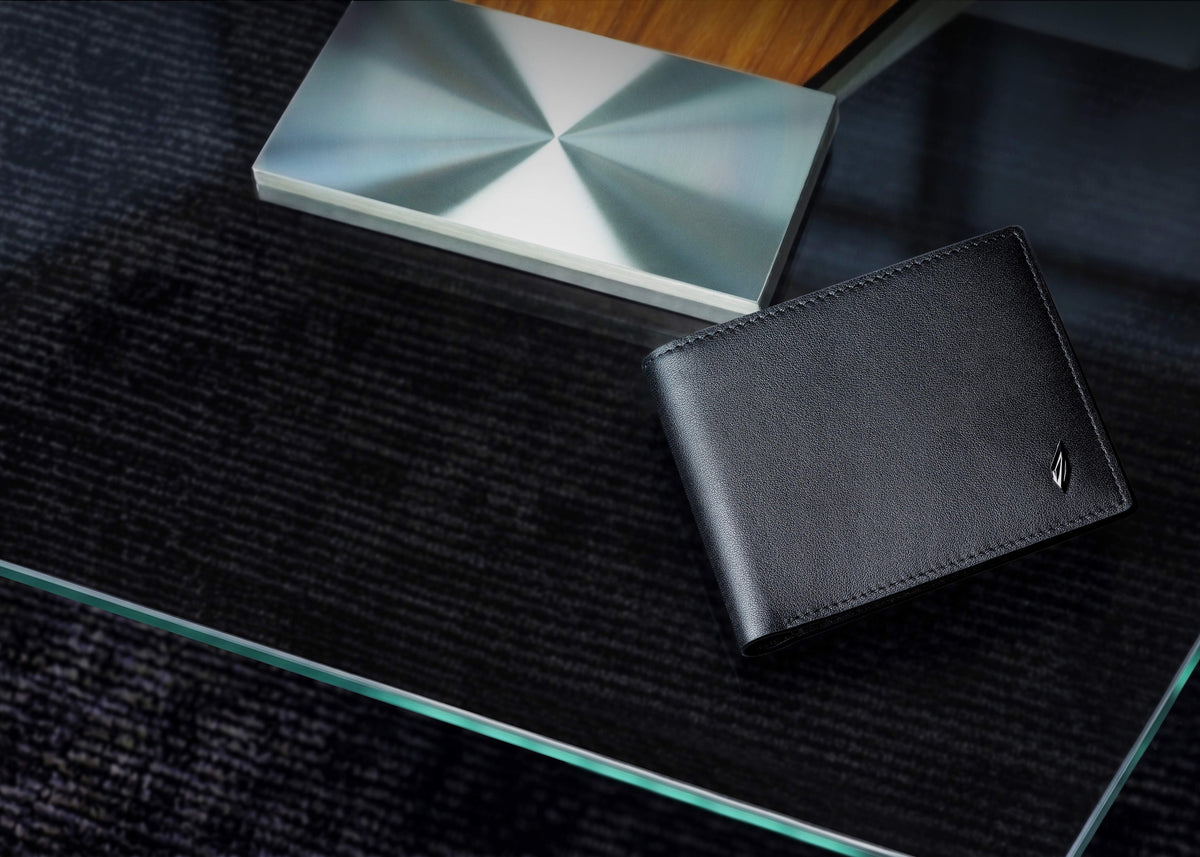
THE CLASSIC BIFOLDNEEDED A BETTER STANDARD.WE BUILT TO IT.
The wallet category has been selling the same compromises for years. We rebuilt the bifold around the moments that actually determine whether a wallet earns daily carry.
Open any major retailer. Browse the first page of any men's accessories section. The language is identical: "Genuine leather." "Slim." "Premium bifold." "Handcrafted." "Perfect gift."
The category is built around a single goal: the product needs to look convincing at the point of purchase.
"Genuine leather" confirms that real leather is present. What it does not indicate is quality grade, the part of the hide, or the strength of its fiber structure. Most wallets carrying that label, across the $10 to $100 price range, are made from bonded or split leather: processed from weaker portions of the hide and finished to resemble higher-grade leather on the surface.
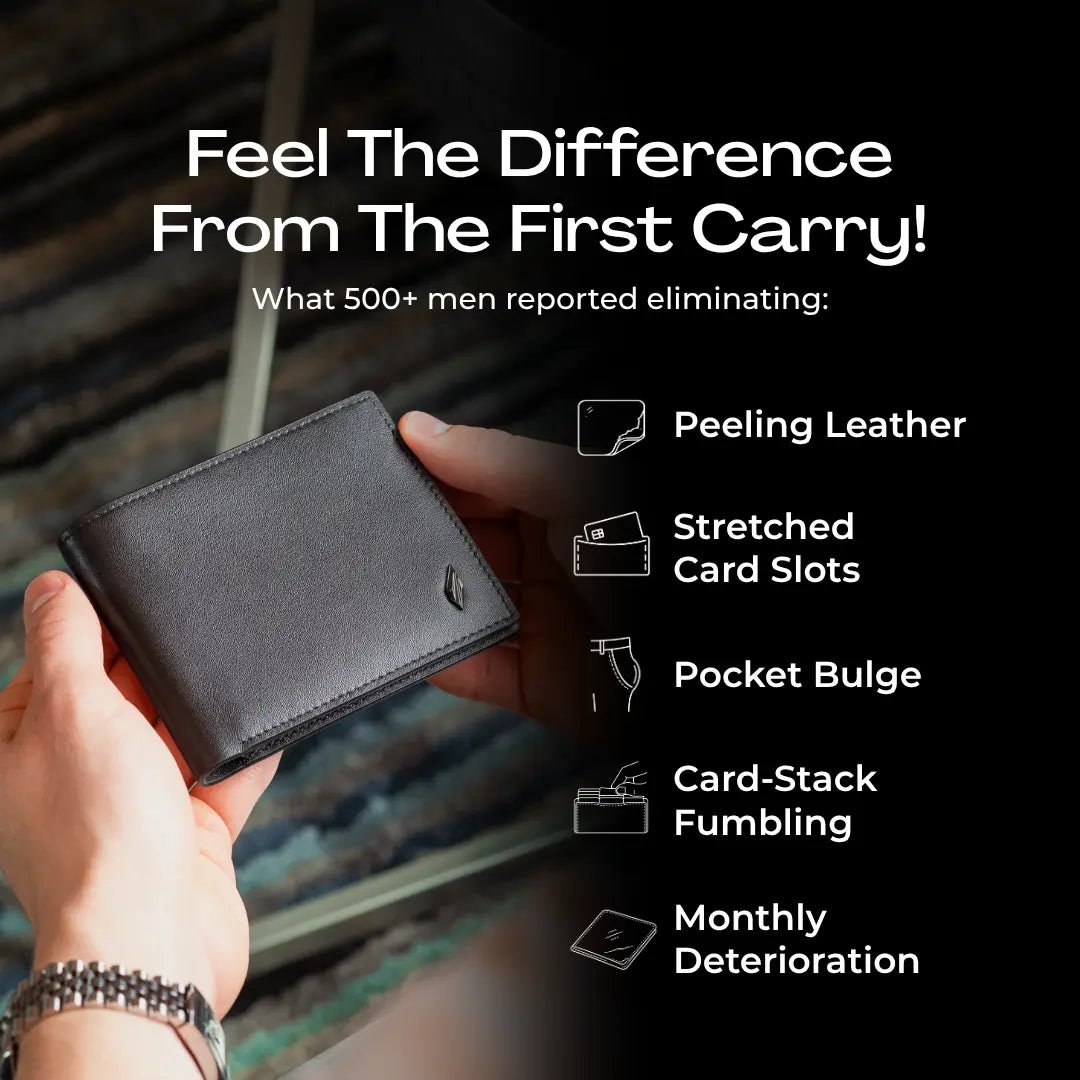
The problem is rarely visible on day one. With daily use, once the wallet is carried, opened, folded, filled, and pulled from a pocket repeatedly, the coating begins to peel, interior layers separate, and seams weaken. By the time the failure is evident, the return window has usually closed.
Unfortunately, a higher price does not change what is inside. Designer labels can add significantly to the cost through branding and presentation, while the leather specification remains vague or undisclosed. Established leather names are often not explicit about the exact materials used throughout their products.
Across price points, the box becomes more refined and the logo more recognizable. The materials and construction decisions that determine how the wallet performs over time tend to remain the same.
Graphite Lane was built from that failure pattern. Every material and design decision in The Original traces back to it.
FOUR DESIGN DECISIONS BUILT AROUND DAILY USE
Wallet design typically begins with the product photograph. The Original was developed from four specific interactions that repeat every day during carry: reaching for a primary card, managing secondary items, accessing the cash compartment, and receiving the product for the first time.
MATERIAL DETERMINES WHETHER A WALLET AGES OR DECAYS.
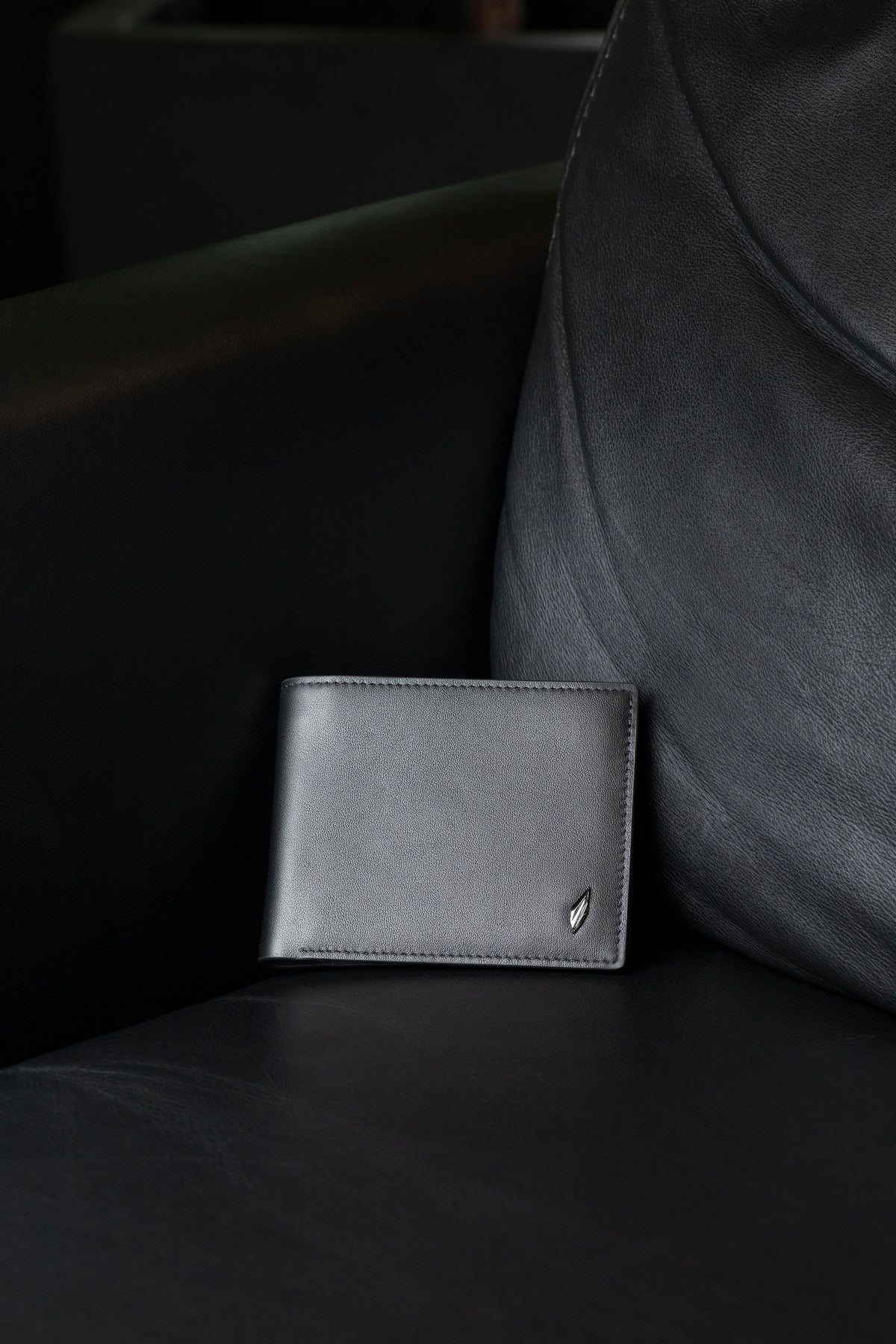
The leather in The Original is sourced at the material tier referenced by heritage goods in the $500 to $800 range. At that tier, brands typically supplement the base hide with protective treatments or wax finishes to produce a consistent surface across a broader range of hide grades. The Original specifies top-grain calfskin at a grade where the fiber density and grain uniformity are sufficient on their own.Calfskin is selected for its tight, even grain, supple hand, and refined low-sheen finish. Its dense surface gives the wallet a smooth tactile quality while preserving its structured shape under the repeated compression of daily carry.The calfskin in The Original is sourced from a tannery certified by the Leather Working Group at the Gold rating, the highest environmental standard in leather tanning. That certification requires specific, externally audited targets on water use, energy consumption, chemical management, and material traceability. Customers who have handled The Original directly have described the leather as the best grain they have encountered.The leather changes through use in a specific and predictable way:Day 1: The leather feels firm and structured in hand. The surface is clean, with a light sheen and defined edges.Day 7: With regular carry, the leather softens and begins to conform to the way it is held and used. The card slots develop the exact amount of give required for a clean, controlled withdrawal.Month 1 through Year 3 and beyond: The areas of highest contact become smoother over time and deepen slightly in tone, producing a surface finish specific to the person carrying it.
THE DAILY CARD EXIT
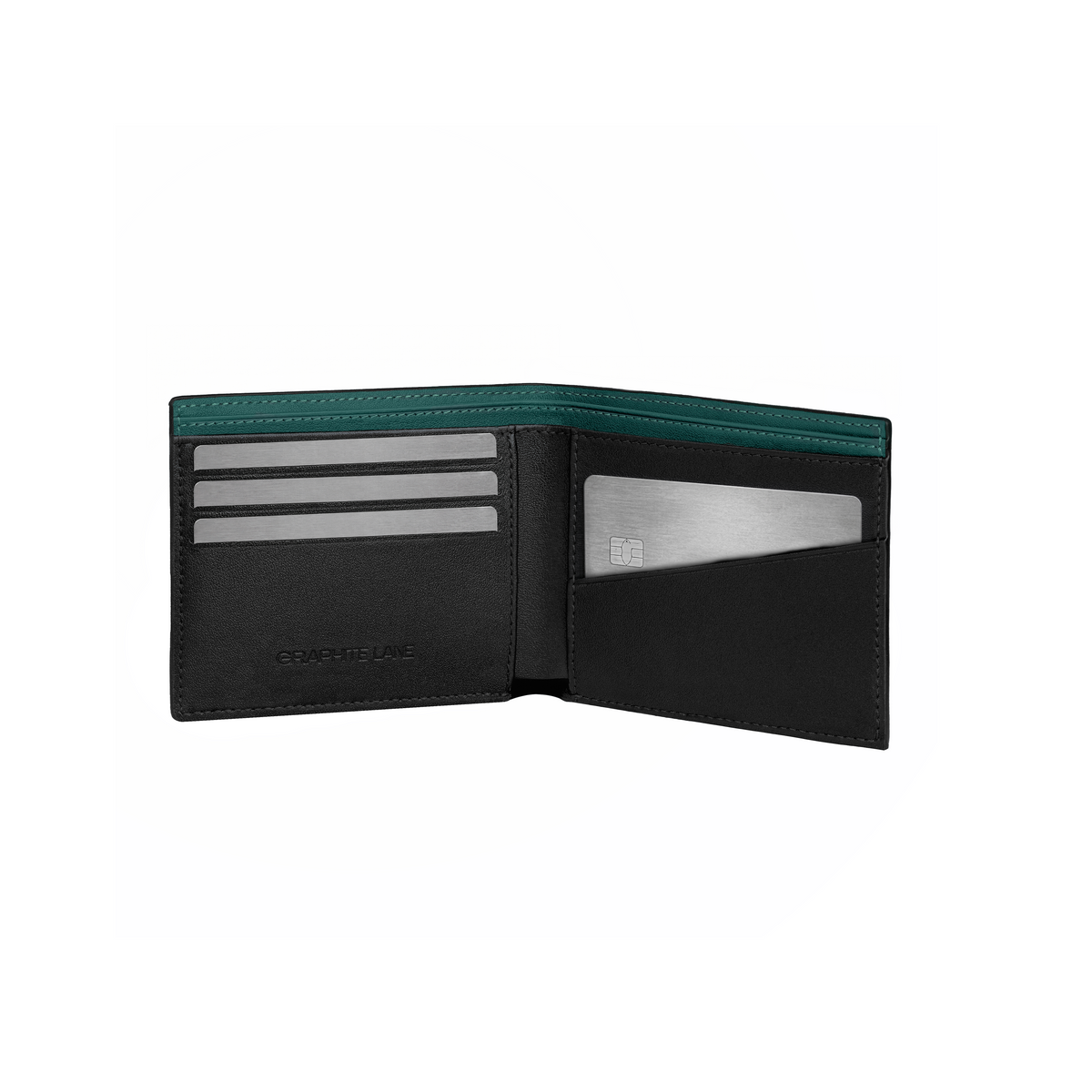
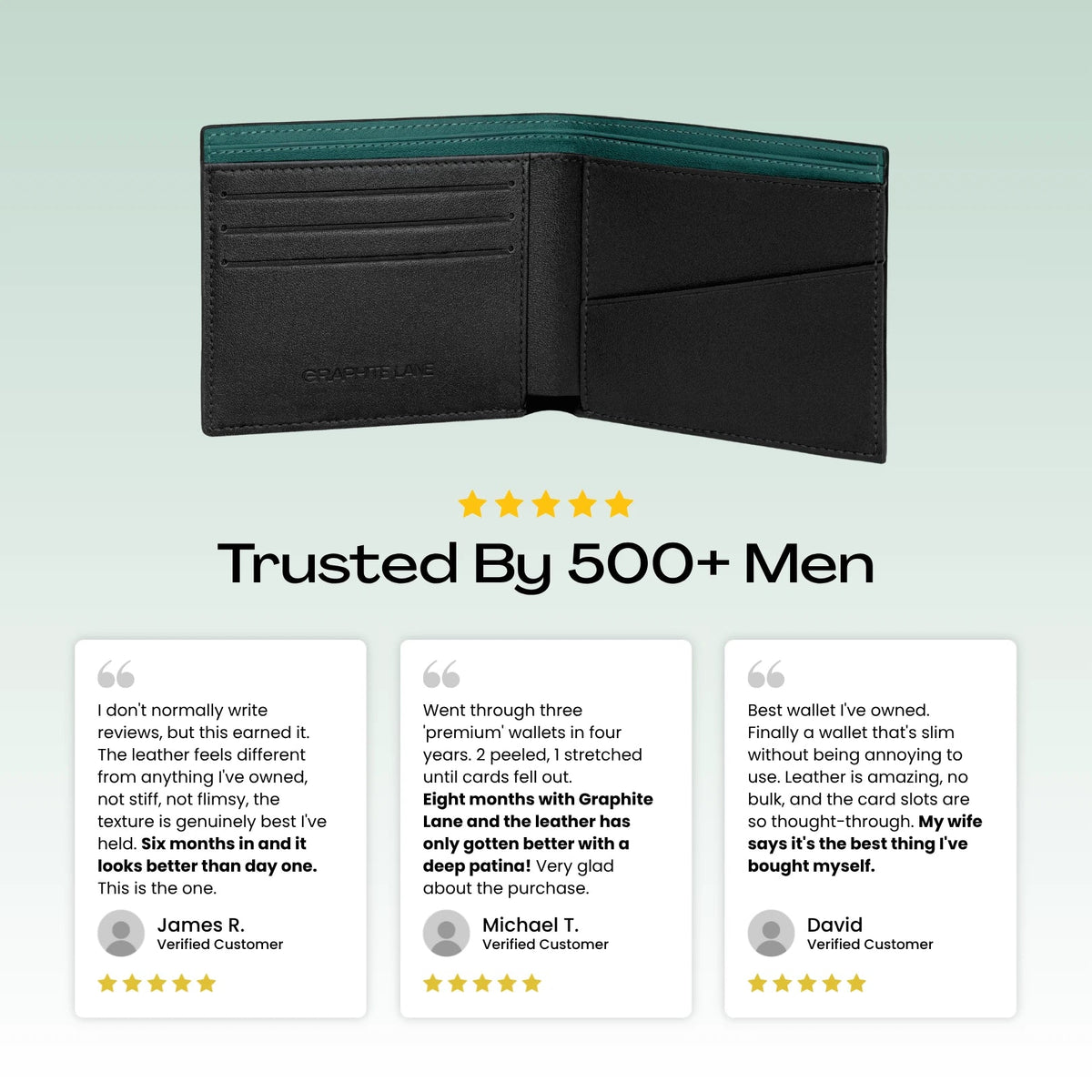
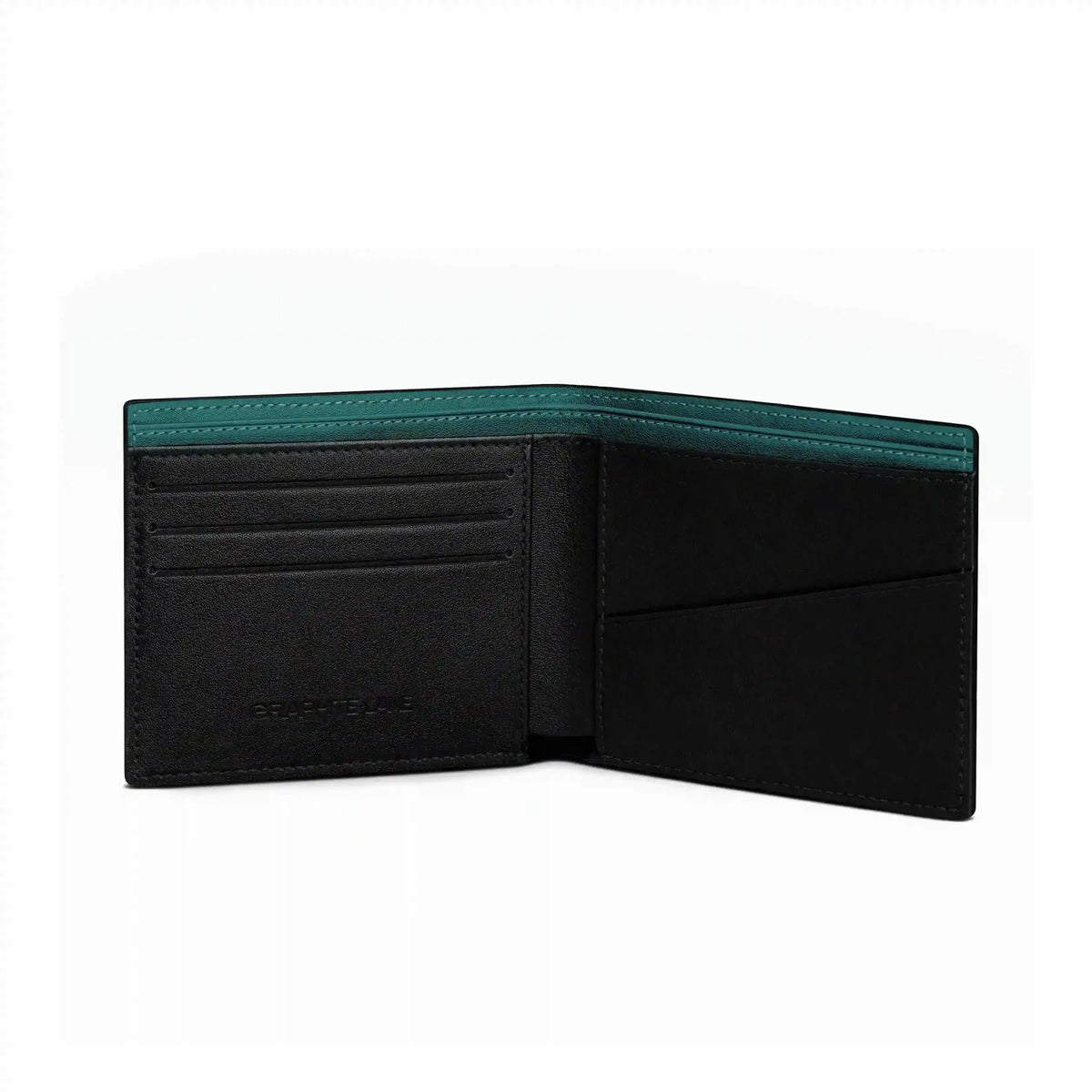
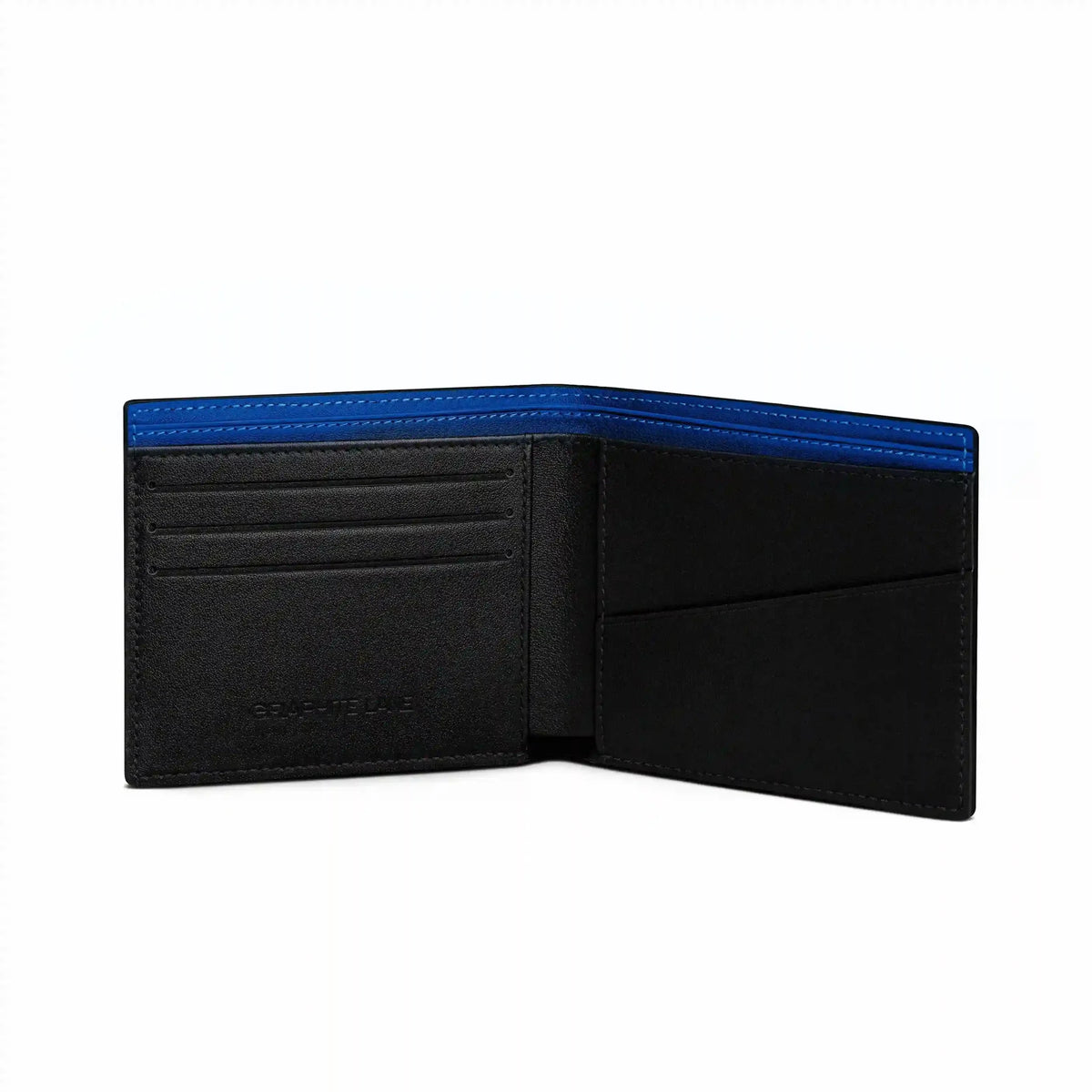
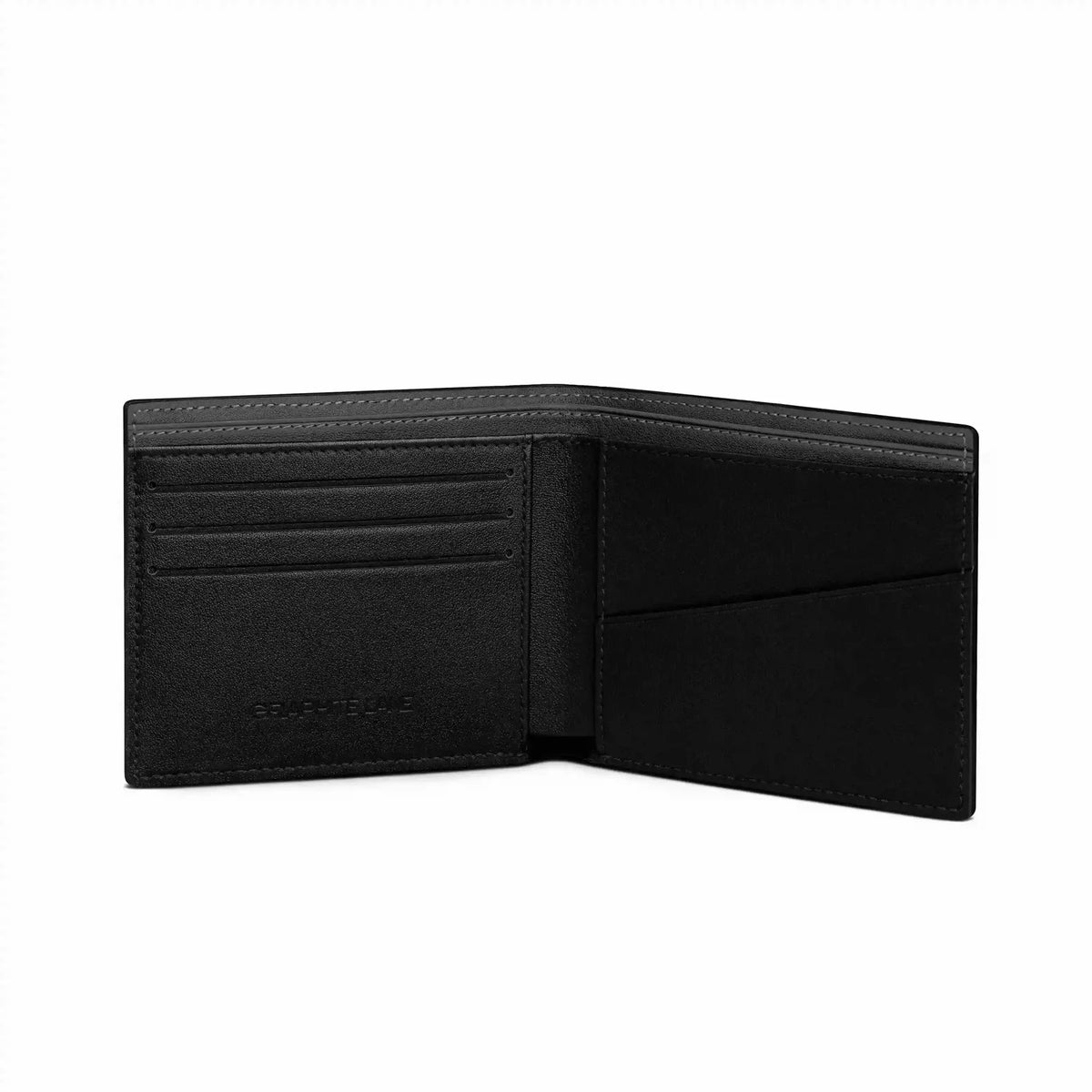
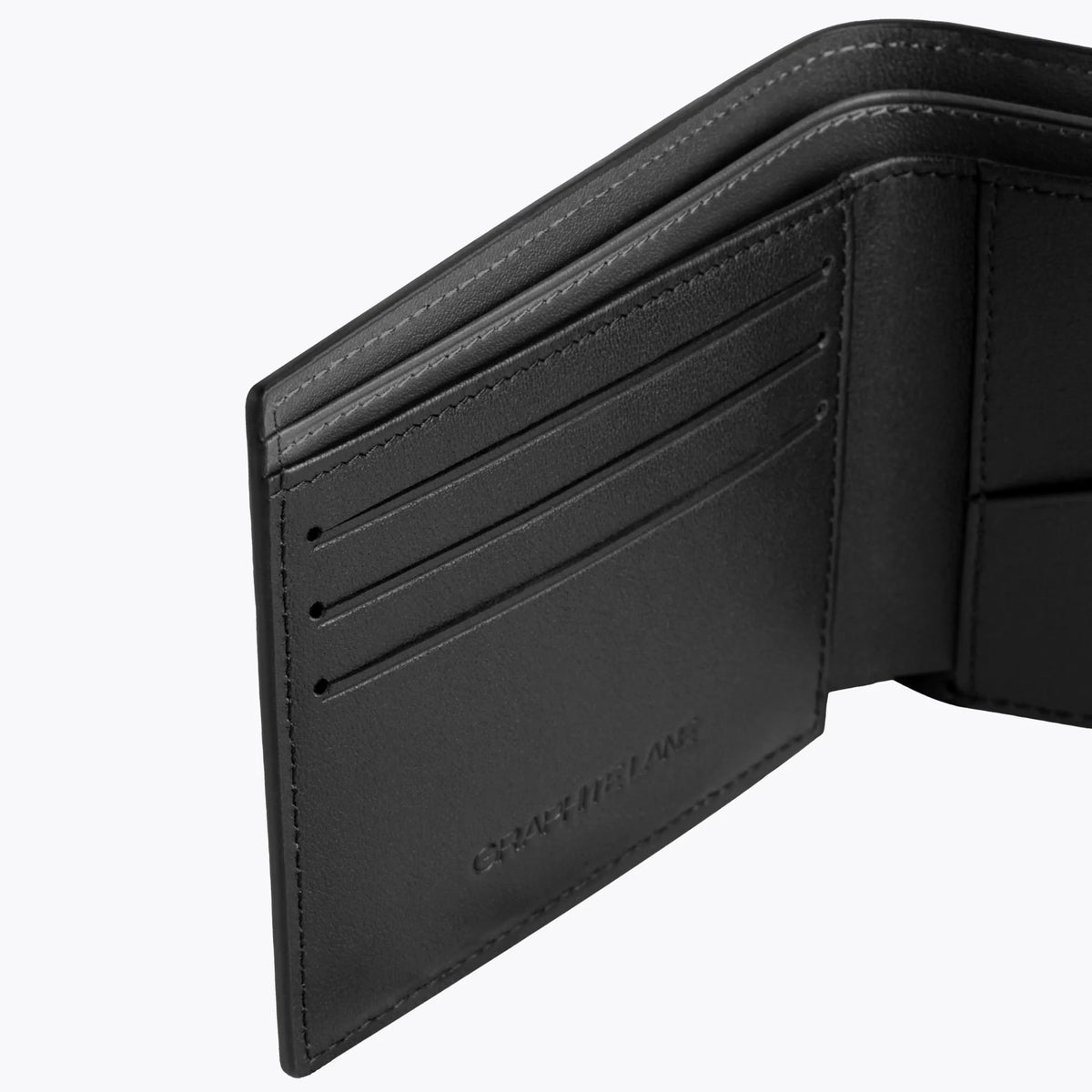
Every person carrying a wallet has one card they reach for more than any other. In a standard bifold, the horizontal slot requires that card to be lifted vertically before it can be drawn, which shifts the cards beside it.The diagonal slot is cut to match the natural pull angle when the bifold is open. The primary card exits in a single motion without disturbing the rest of the stack.
SECONDARY CAPACITY WITHOUT ADDED PROFILE.
Behind each card panel sits a hidden slip pocket that holds backup cards, folded receipts, or anything accessed less frequently throughout the day. The pockets are built within the existing panel structure, adding secondary storage without increasing the wallet's exterior dimensions.
THE INTERIOR ACCENT.
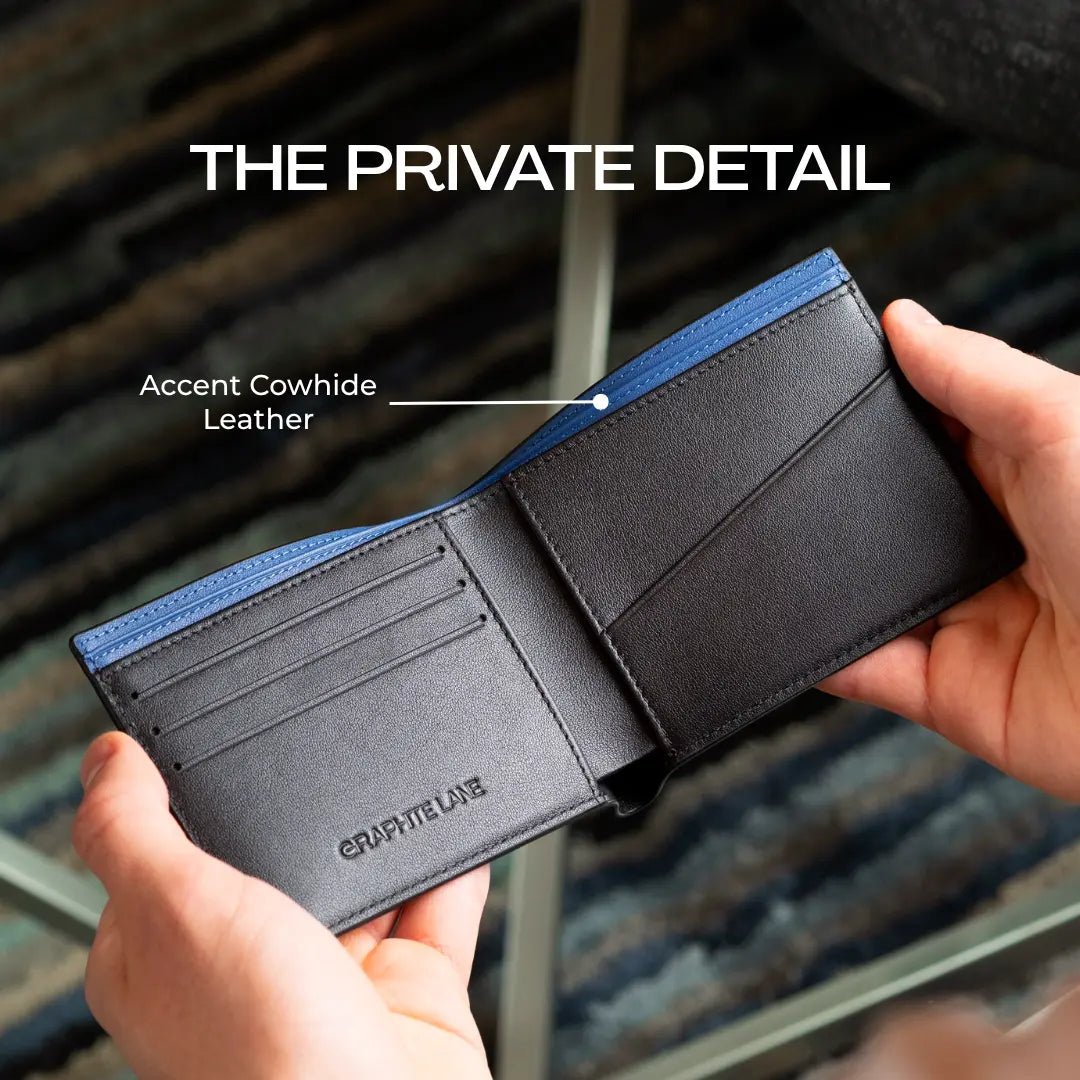
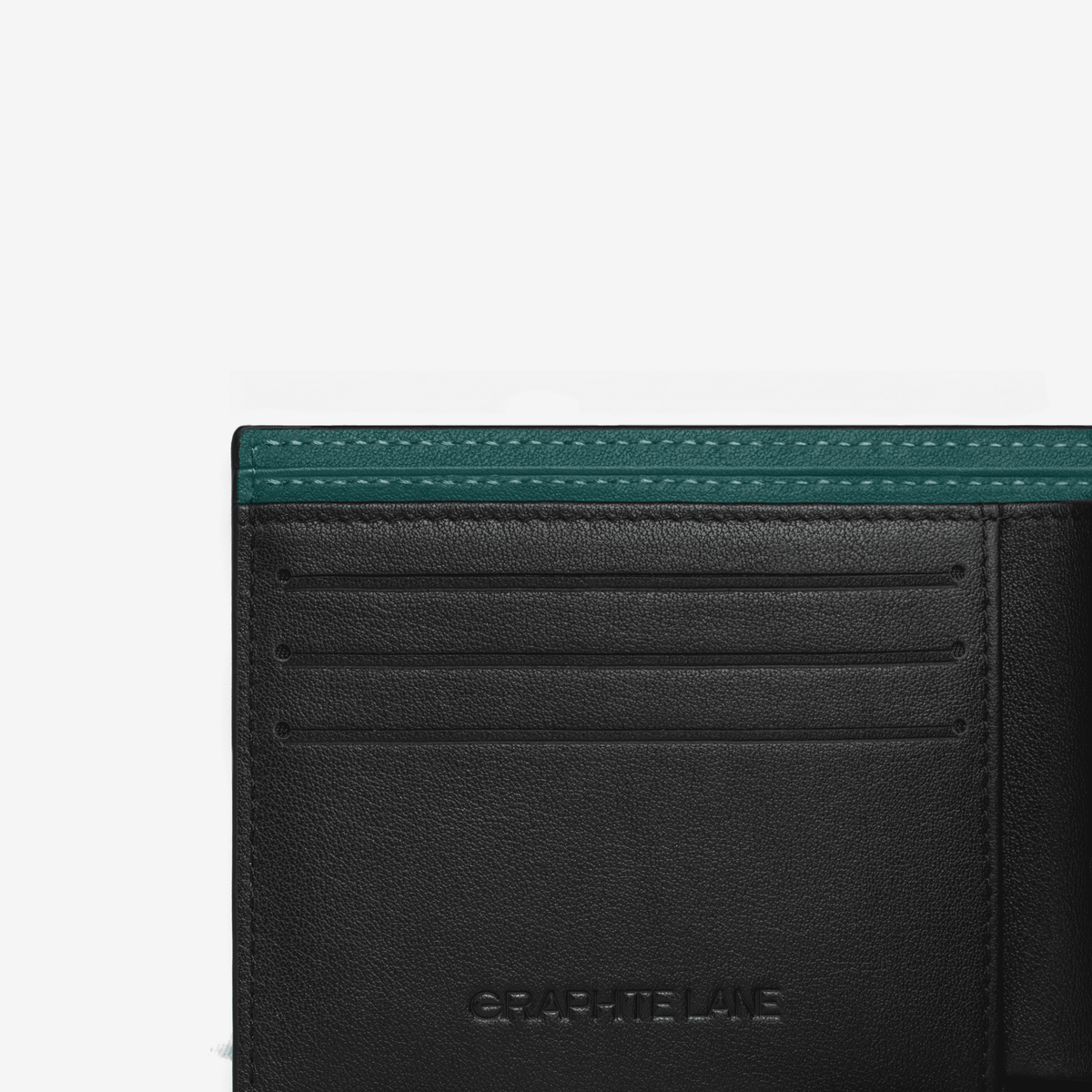
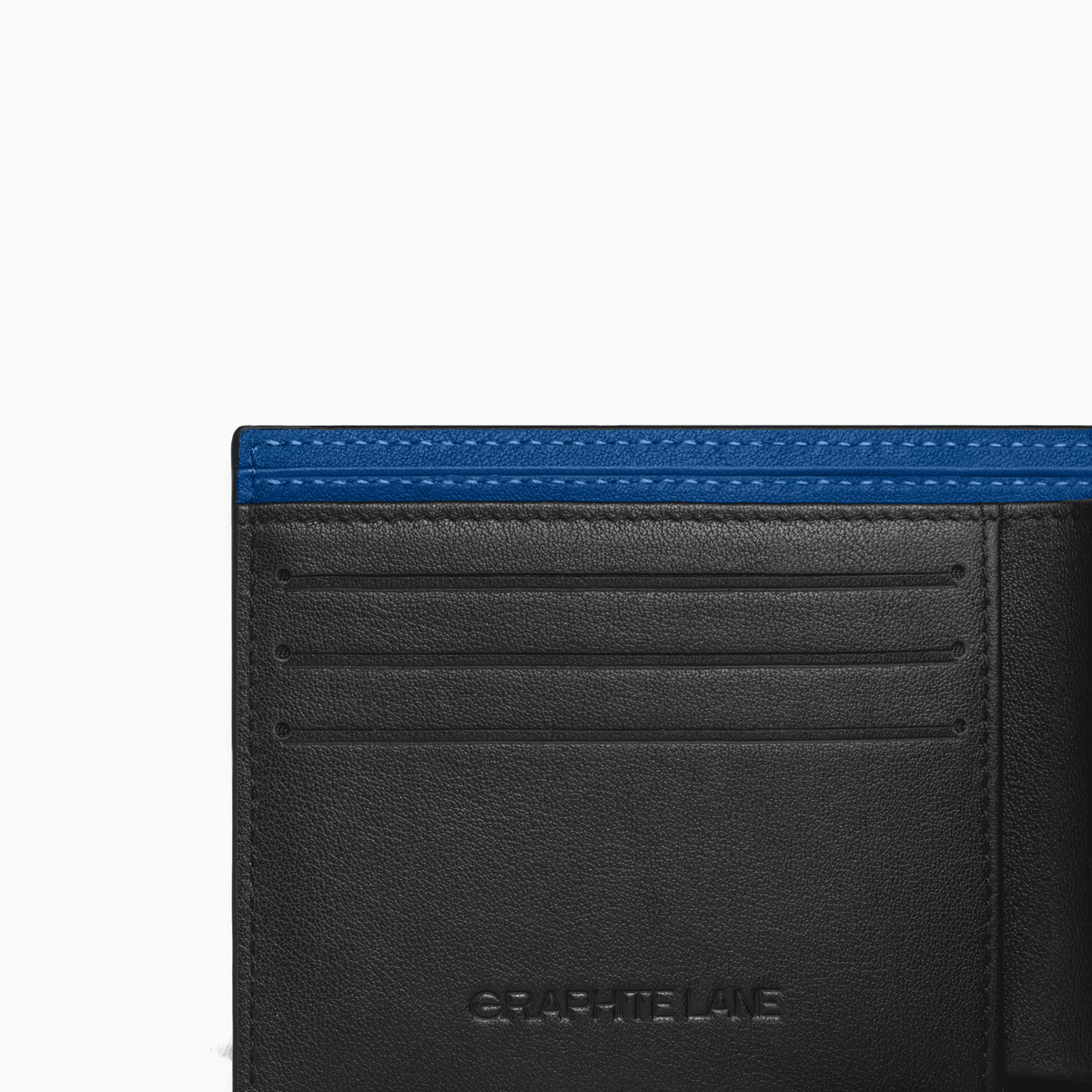
The cash compartment edge is lined in smooth cowhide leather. That surface receives more repeated contact than any other area of the interior as cash is inserted and removed. Cowhide's denser fiber structure and higher resistance to surface friction make it the appropriate material for that contact point.
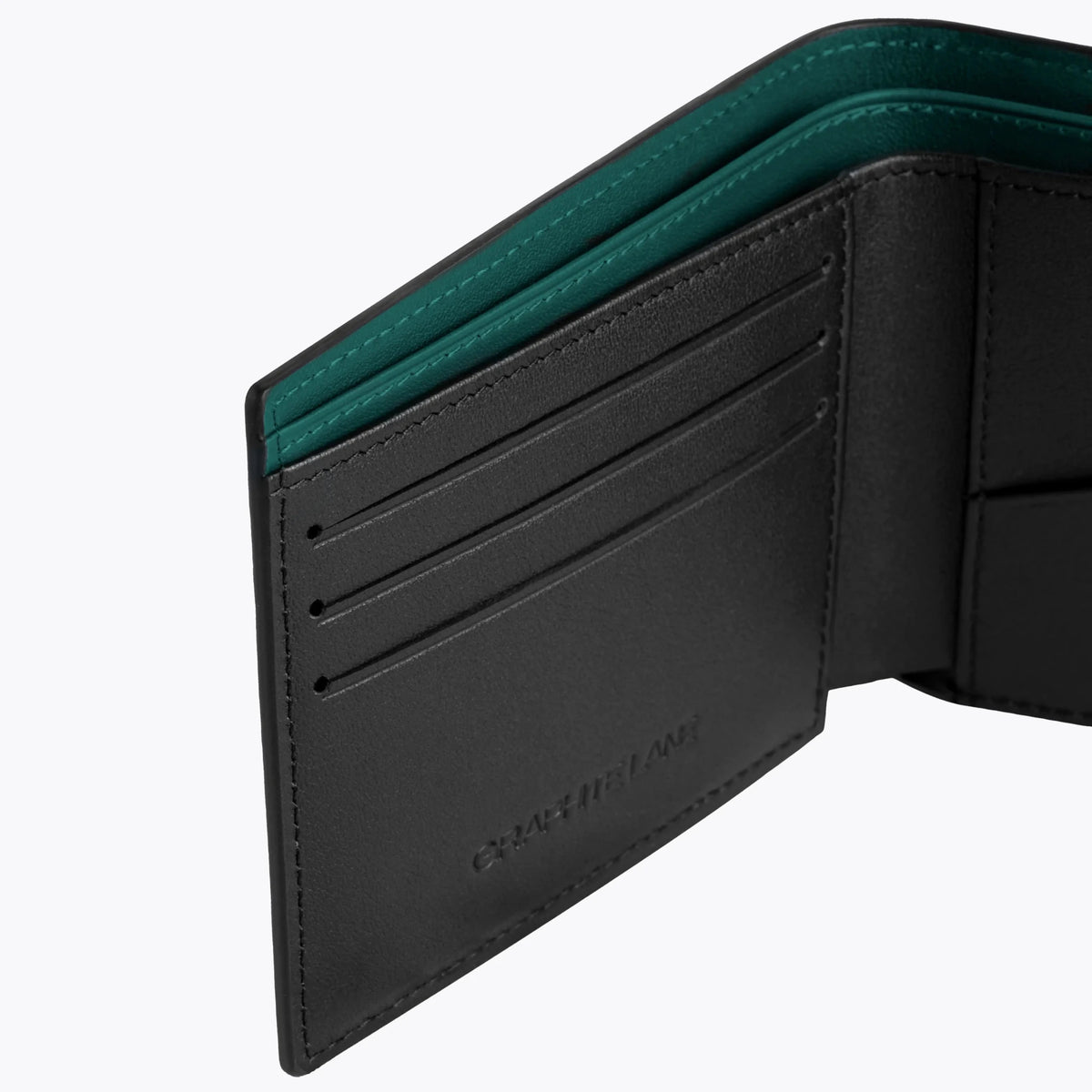
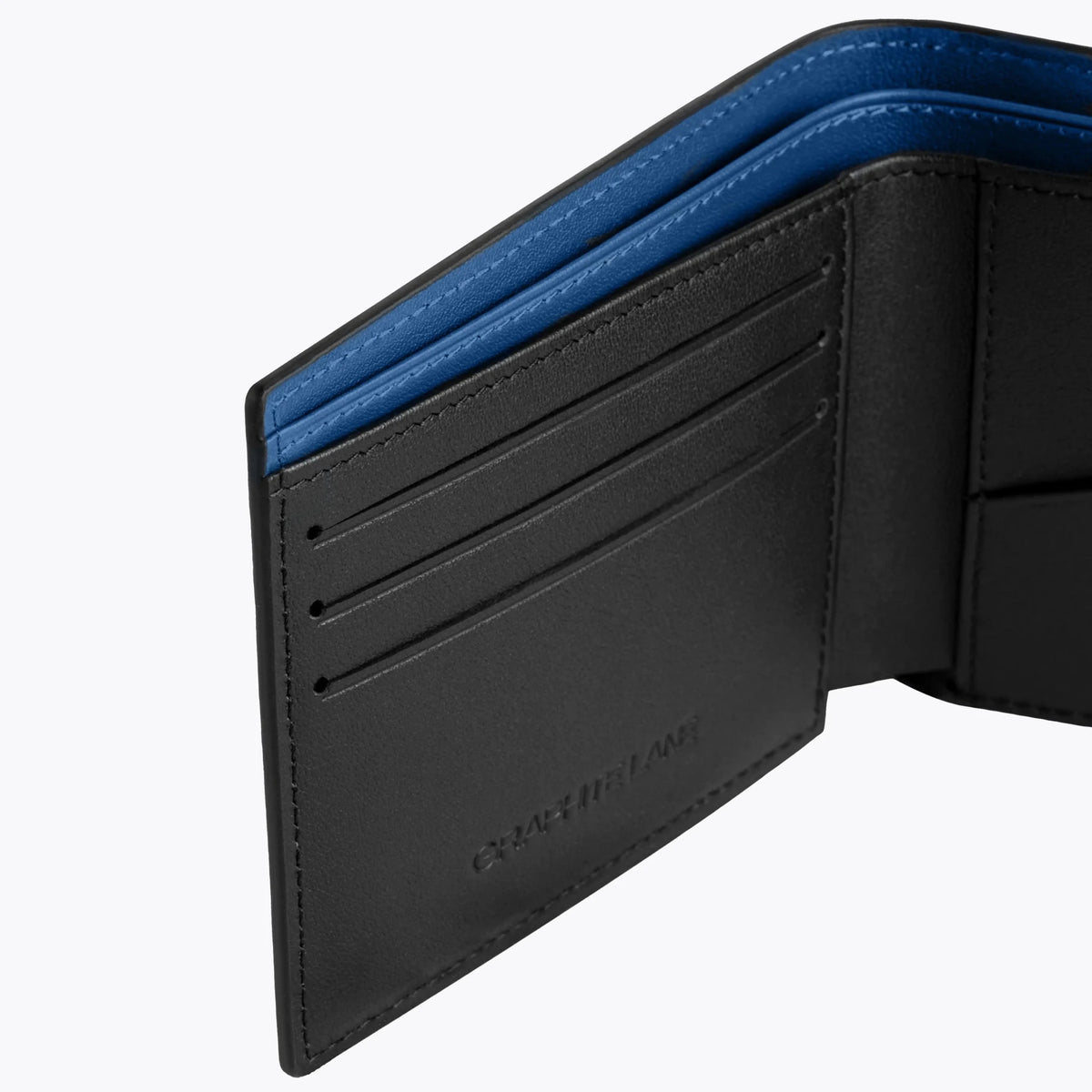
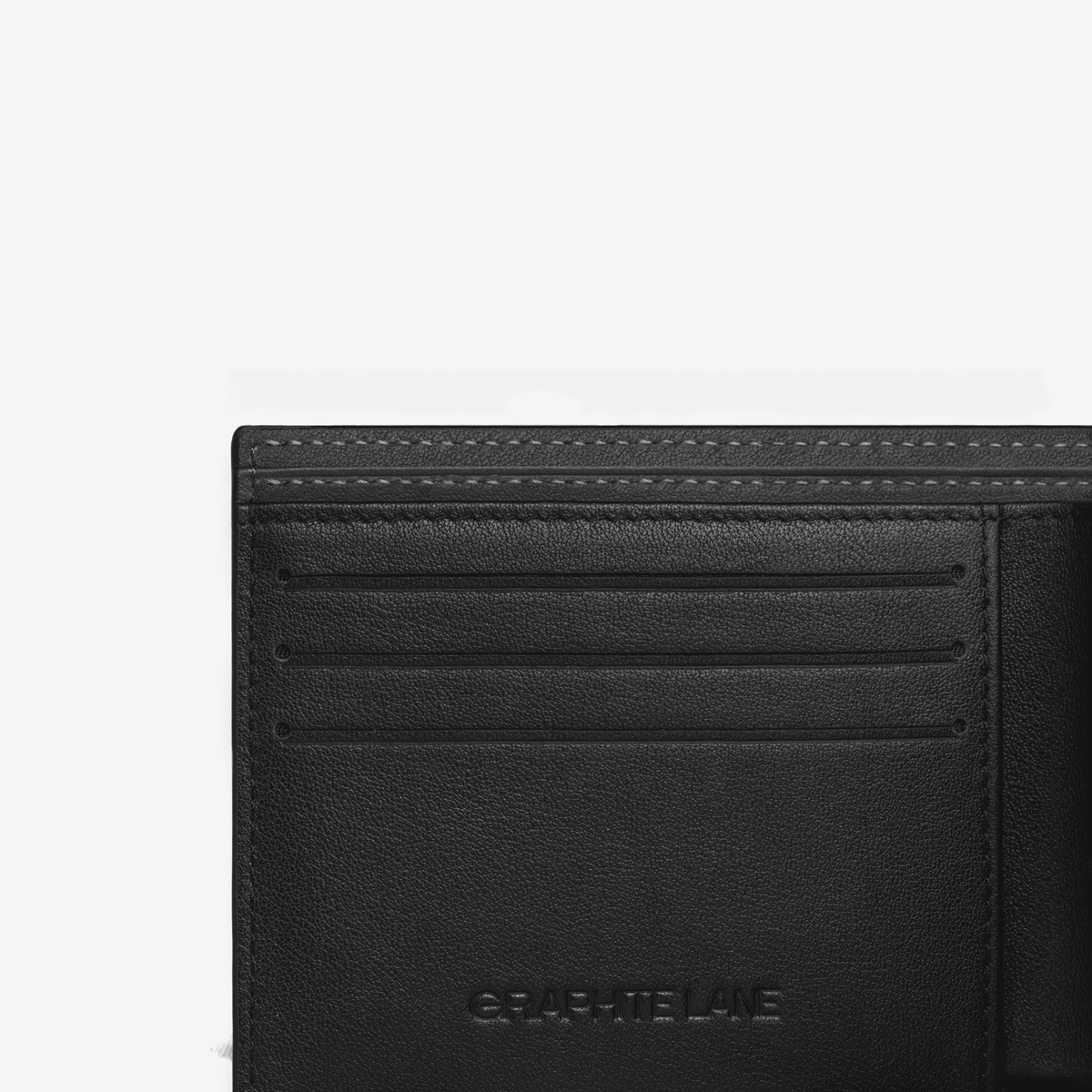
The lining is available in Forest Green, Deep Blue, or Graphite Grey. It stays hidden when the wallet is closed. Each time the wallet opens, a line of color appears along the interior edge. The interior is the surface the carrier sees most often during daily use, which is where the color detail belongs.
IDEAL CARD CAPACITY
The Original is designed for a specific range: six to eight cards. That range covers what most people carry on a given day, including a primary payment card, ID, and a small number of secondary cards, while keeping the wallet thin enough to sit flat in a pocket.
Carrying more than eight cards consistently is better handled by a dedicated card organizer. Within six to eight, the wallet holds what is needed for daily use and maintains its compact profile through extended carry.
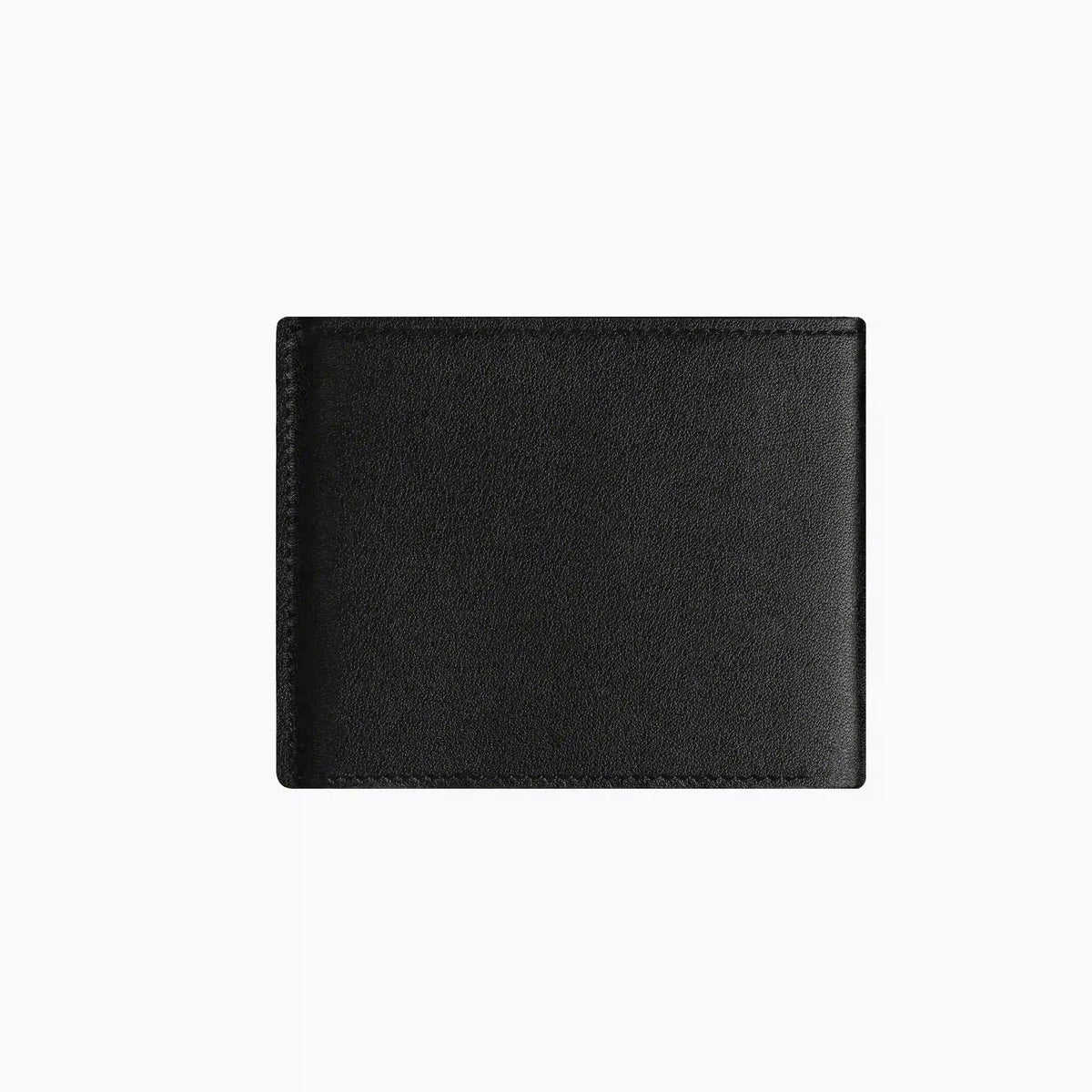
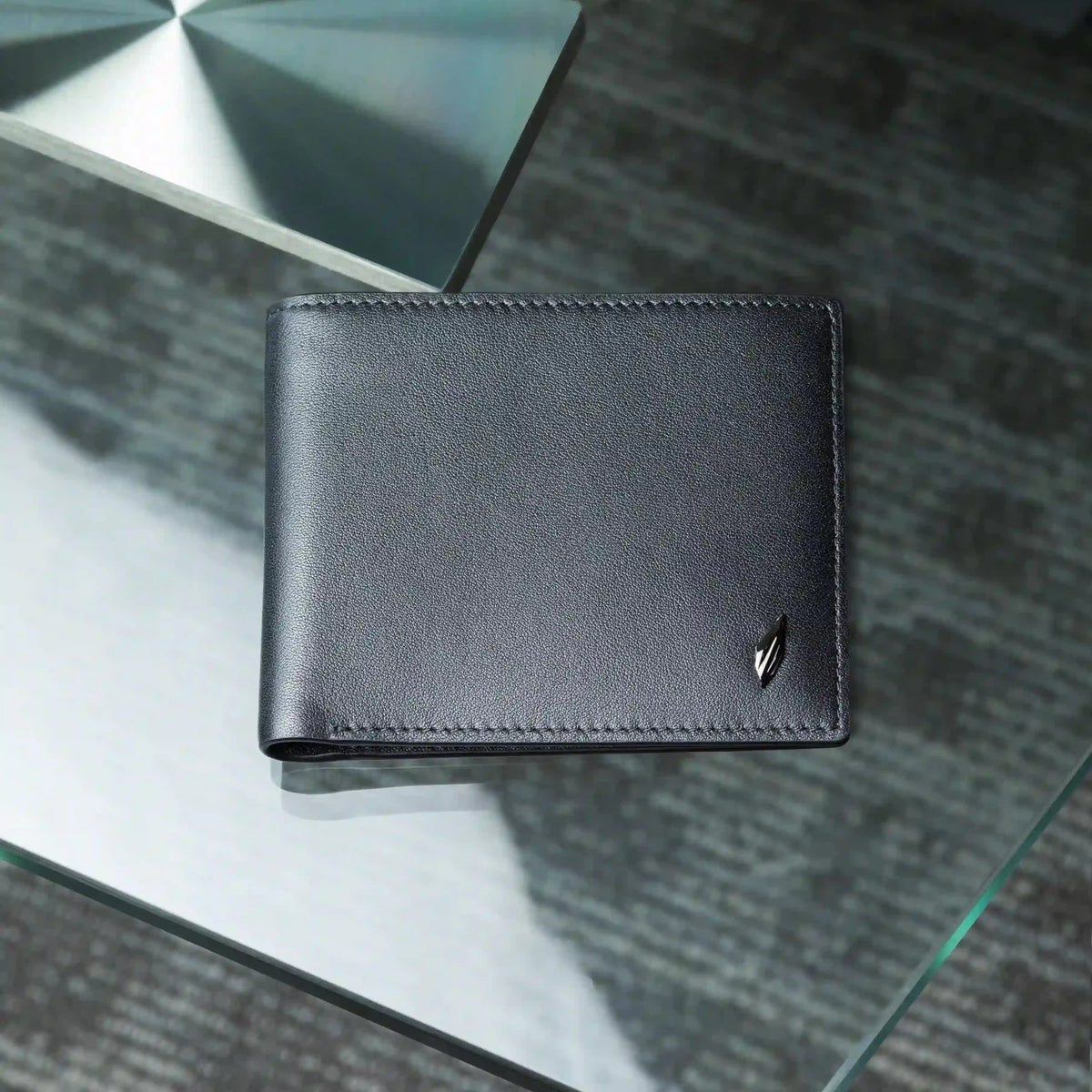
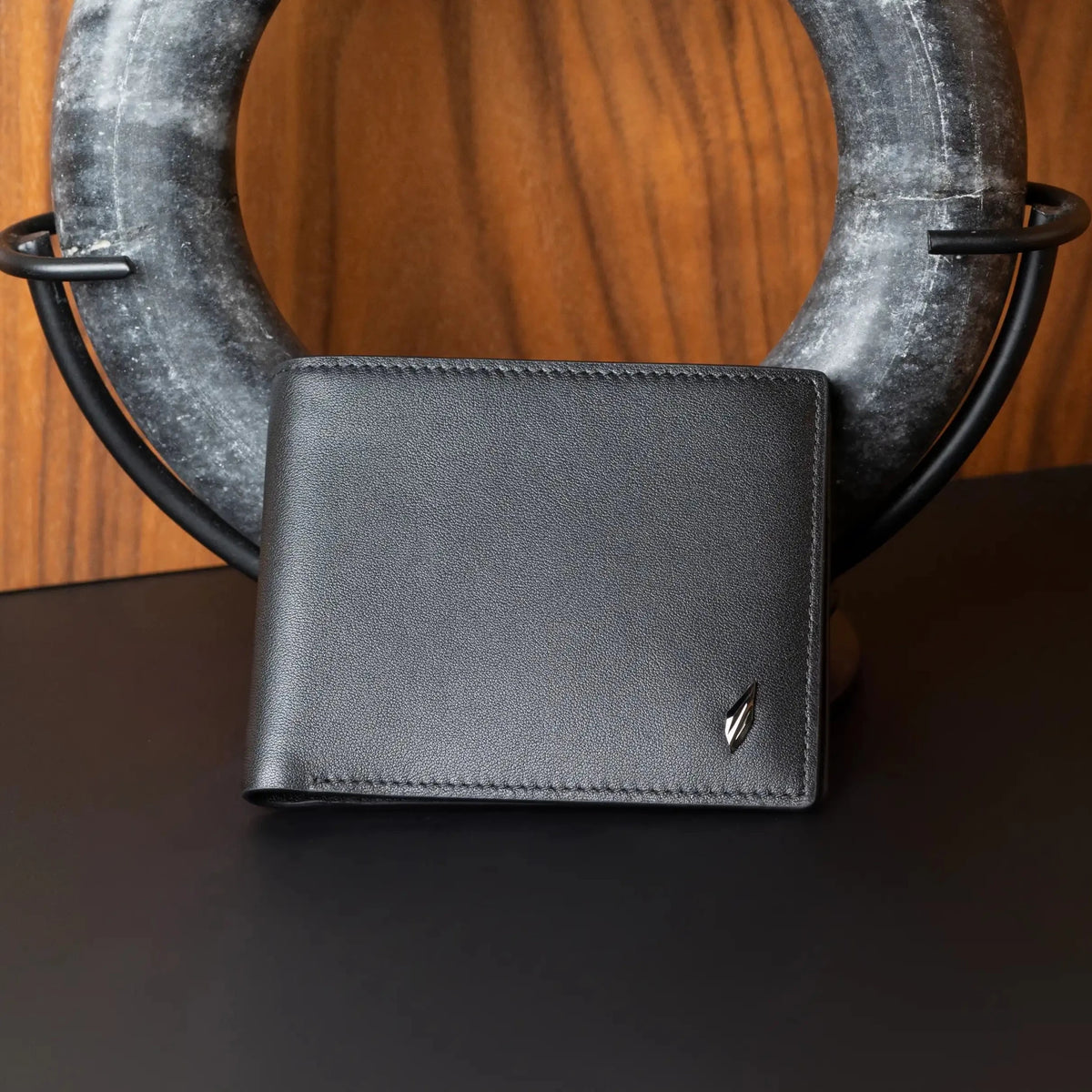
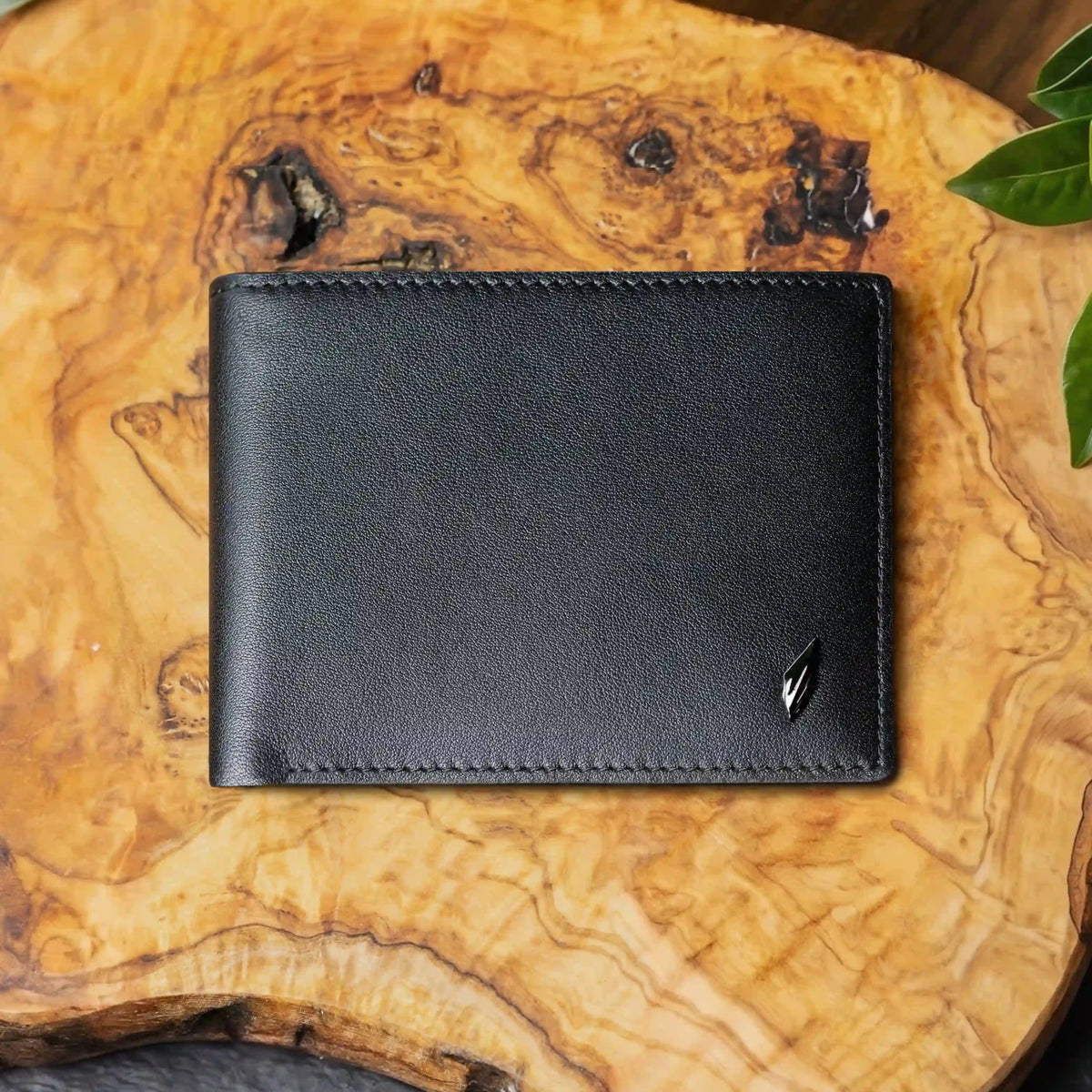
The Original
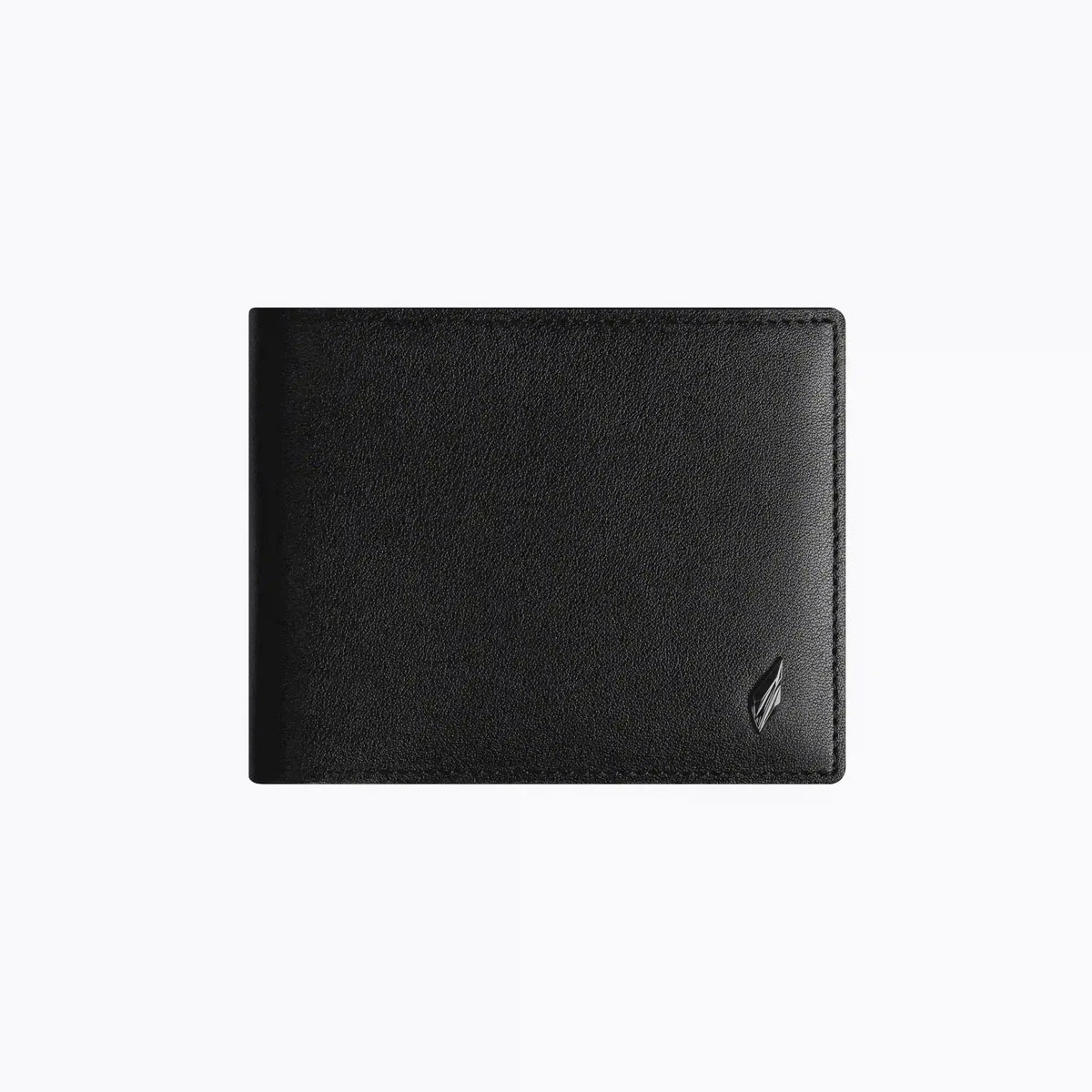
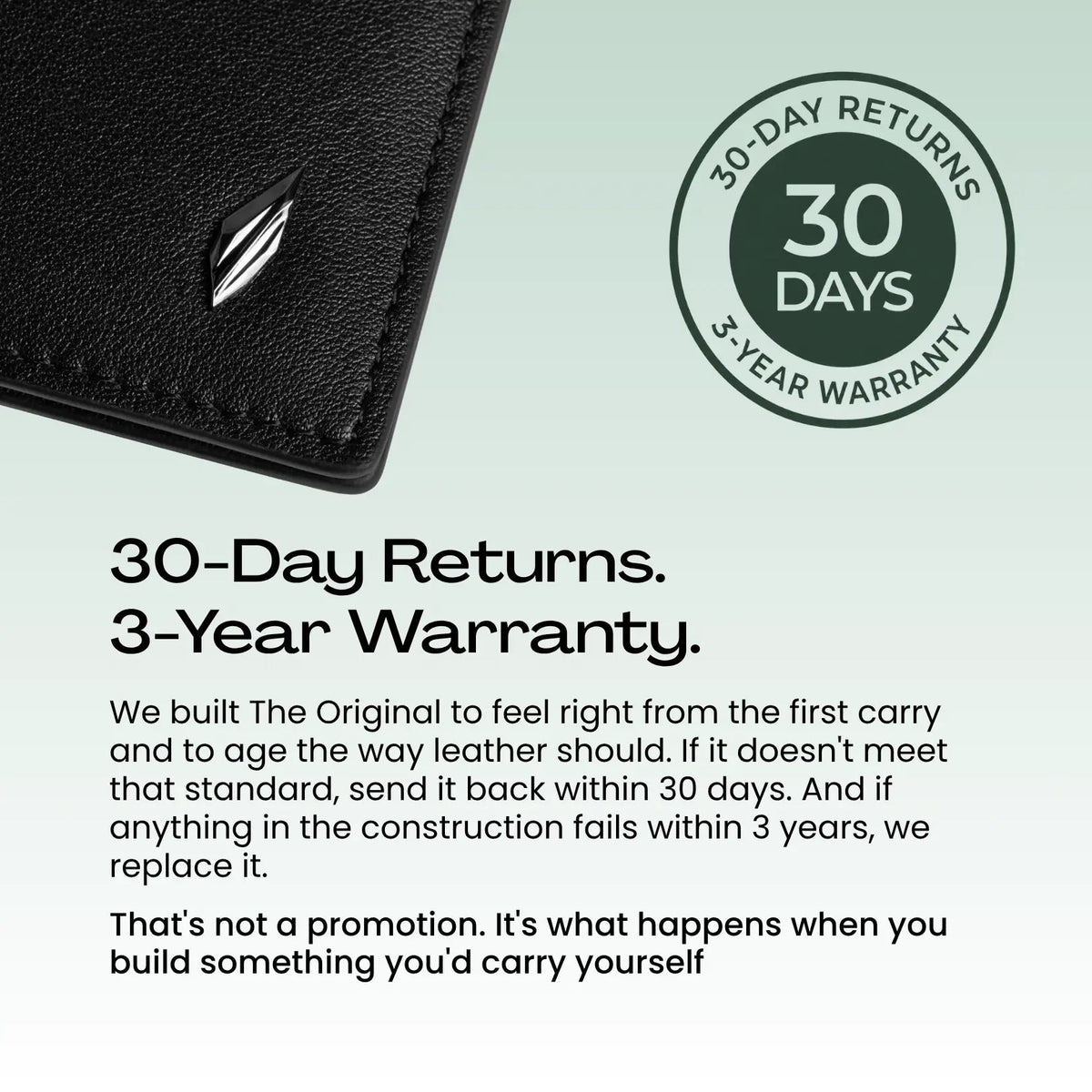
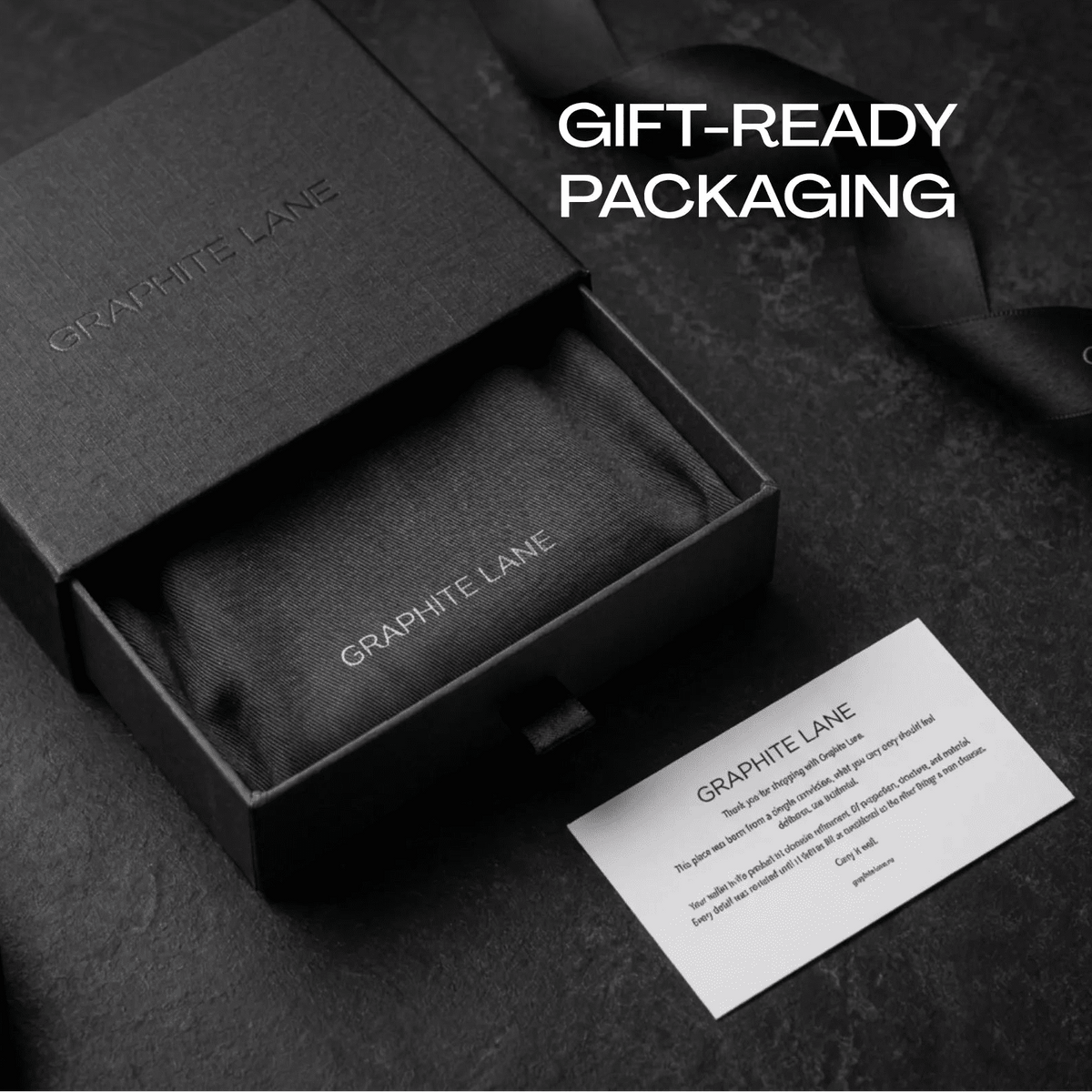
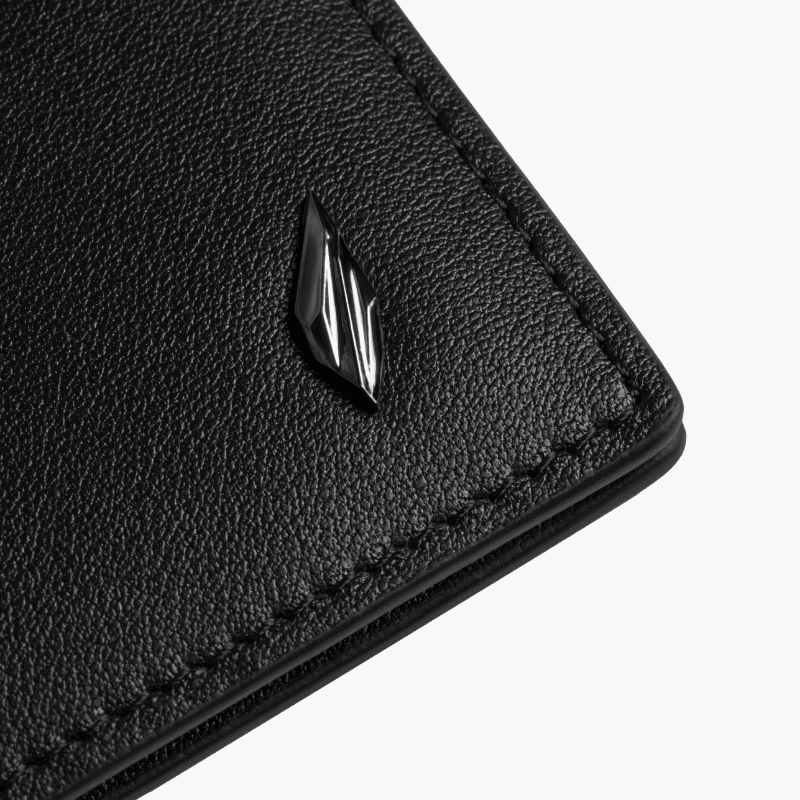
A slim structured bifold in chrome-tanned calfskin with a contrast cowhide interior, diagonal quick-access slot and signature graphite-shard emblem. Presented in a rigid drawer box.
